Canadian Women’s Conference
Identifying Women’s Issues, Bringing Evidence-Informed Solutions & Reinvesting Back Into Community.
In Partnership with the Canadian Association of Women Centre Societies
Conference Details
The Canadian Women’s Conference is an annual academic knowledge exchange event, created in partnership between the Interior Women’s Centre Society, Canadian Association of Women Centre Societies, and a community advisory table from the host City. This Knowledge exchange is for gendered revisioning, built to leverage modern-day feminism to address gaps in current systems. In honour of Canadian Women’s History Month, this event recognizes challenges that still exist for women and girls when considering safety, economic advancement, restorative justice, reproductive justice and overall equality. The conference is designed to develop a collaborative platform for dialogue, inviting Iconic individuals drawn from across Canada and abroad to support smaller communities in addressing their unique challenges.
Theme: Rewriting the Rules: Women Designing the Systems that Shape our Lives.
Location: TRU Conference Centre, Kamloops, BC
Dates: October 14 - 16
Time: 0800 - 1700
Membership Conference Rates for:
Interior Women’s Centre Society
Canadian Association of Women’s Centre Societies
Why Do This Work
-
The conversations will explore women's economic advancement and safety, including gender-based violence in relationships and workplaces, women entering and navigating male-dominated trades, safety during wildfire evacuations and sporting events, the impacts of the manosphere and online misogyny, and emerging issues around AI and gender.
The final day will move toward policy, systems, and next steps — examining the roles of government, municipalities, employers, industry, funders, post-secondary institutions, community organizations, and corporate leaders in moving from dialogue to action.
We are also incorporating SHE Speaks: Unmuted, our podcast initiative, through live panel conversations designed to bring some of the “pink elephants” into the room — the issues that are often difficult to discuss openly but are important to advancing meaningful change.
Our longer-term goal is to reinvest conference proceeds into community grantmaking in Kamloops and continue developing a Women’s Advisory Committee that could bring diverse community perspectives into conversations around municipal planning, policy, and strategic priorities.
-
In B.C., women earned 17% less than men in 2023 based on median hourly wages. The gap was larger for some groups: racialized women earned a median 76 cents for every dollar earned by men, Indigenous women 80 cents, and newcomer women 81 cents.
More recently, B.C. reports that its gender pay gap fell from 18% in 2022 to 15% in 2024 and 2025.
B.C. also reports that almost 195,000 women entered the workforce between 2017 and 2025, demonstrating the importance of removing barriers to women's economic participation.
-
31,104 construction jobs exist in the Thompson–Okanagan, representing 10.3% of regional employment.
The region is projected to see 110,500 job openings between 2025–2035, creating significant opportunities in skilled trades and other high-demand sectors.
In Kamloops, women make up only 14.6% of construction workers.
Women represent just 8.2% of workers in trades, transport and equipment operator occupations in Kamloops.
Among Kamloops residents with a major field of study in construction trades, only about 3% are women.
Women remain underrepresented in apprenticeships, particularly in traditionally male-dominated trades.
Access is only the first barrier: women apprentices also report challenges with sexism, discrimination and workplace culture, affecting retention and advancement.
Increasing women’s participation in the trades can support higher incomes, financial independence, career mobility and long-term economic security.
Women’s economic advancement is not just a workforce issue—it is a gender-equity issue. Ensuring women can enter, remain and advance in skilled trades strengthens both women’s economic security and the Interior’s workforce.
-
Interior Health's regional analysis found substantial levels of core housing need across the Interior: 48% in the Thompson-Nicola, 54% in Central Okanagan, 53% in North Okanagan, 52% in Okanagan-Similkameen, 50% in Columbia-Shuswap and 46% in Kootenay Boundary. These figures are from the underlying regional analysis and should be presented as historical rather than current estimates.
Interior Health explicitly identifies income, employment, housing, education, social supports and access to health services as determinants of health, and notes that people with higher incomes generally experience better health outcomes.
-
29.8% of women in B.C. report experiencing physical or sexual assault by an intimate partner since age 15.
B.C. reports that 80% of people who experience domestic violence do not report it to police, illustrating why access to confidential community supports matters.
Nationally, women and girls experience higher rates of police-reported family and intimate-partner violence than men and boys.
-
Indigenous women and girls are dramatically overrepresented in gender-related homicides.
Between 2011 and 2021, Indigenous women and girls accounted for 21% of all gender-related homicides in Canada, despite representing about 5% of the female population.Indigenous women experience homicide at approximately six times the rate of non-Indigenous women.
Between 2009 and 2021, 490 Indigenous women and girls were killed in Canada, with a homicide rate of 4.27 per 100,000, compared with 0.73 per 100,000 among non-Indigenous women and girls.Nearly two-thirds of Indigenous women have experienced physical or sexual assault.
B.C.'s systemic review reports that 63% of Indigenous women have experienced physical or sexual assault in their lifetime—56% experienced physical assault and 46% sexual assault.Indigenous women are disproportionately represented among people experiencing homelessness in Kamloops.
The 2024 Kamloops Point-in-Time Count found that 55% of all respondents experiencing homelessness identified as Indigenous. Among respondents who identified as female, 64% were Indigenous.
-
Women’s equality is not one issue, it is shaped by the economic, social, health and safety conditions in which women live. In Kamloops, women’s median employment income was approximately 35% lower than men’s, while women represented 76% of lone-parent families. At the same time, the 2024 Kamloops Point-in-Time Count found a 41% increase in female respondents experiencing homelessness since 2021, highlighting how economic insecurity, housing and wellbeing intersect.
Access to healthcare is equally fundamental. Women are more likely than men to report unmet healthcare needs, and barriers to maternity, reproductive and primary care can have serious consequences. An estimated 6–8% of pregnant women experience violence, with intimate partner violence during pregnancy associated with increased risks including miscarriage, preterm birth, restricted fetal growth and other maternal and newborn health complications.
WCWC 2026 is grounded in a simple premise: we cannot advance women’s equality by addressing these challenges in isolation, we must change the systems that create vulnerability in the first place.
Economic security gives women greater ability to meet their needs, access healthcare, secure housing, make decisions about their lives and leave unsafe situations. Through community leadership, advocacy, research and collective action, we will explore how we can move from responding to crisis to building systems where women have the resources, autonomy and economic power to thrive.
Keynote Speakers
-
![]()
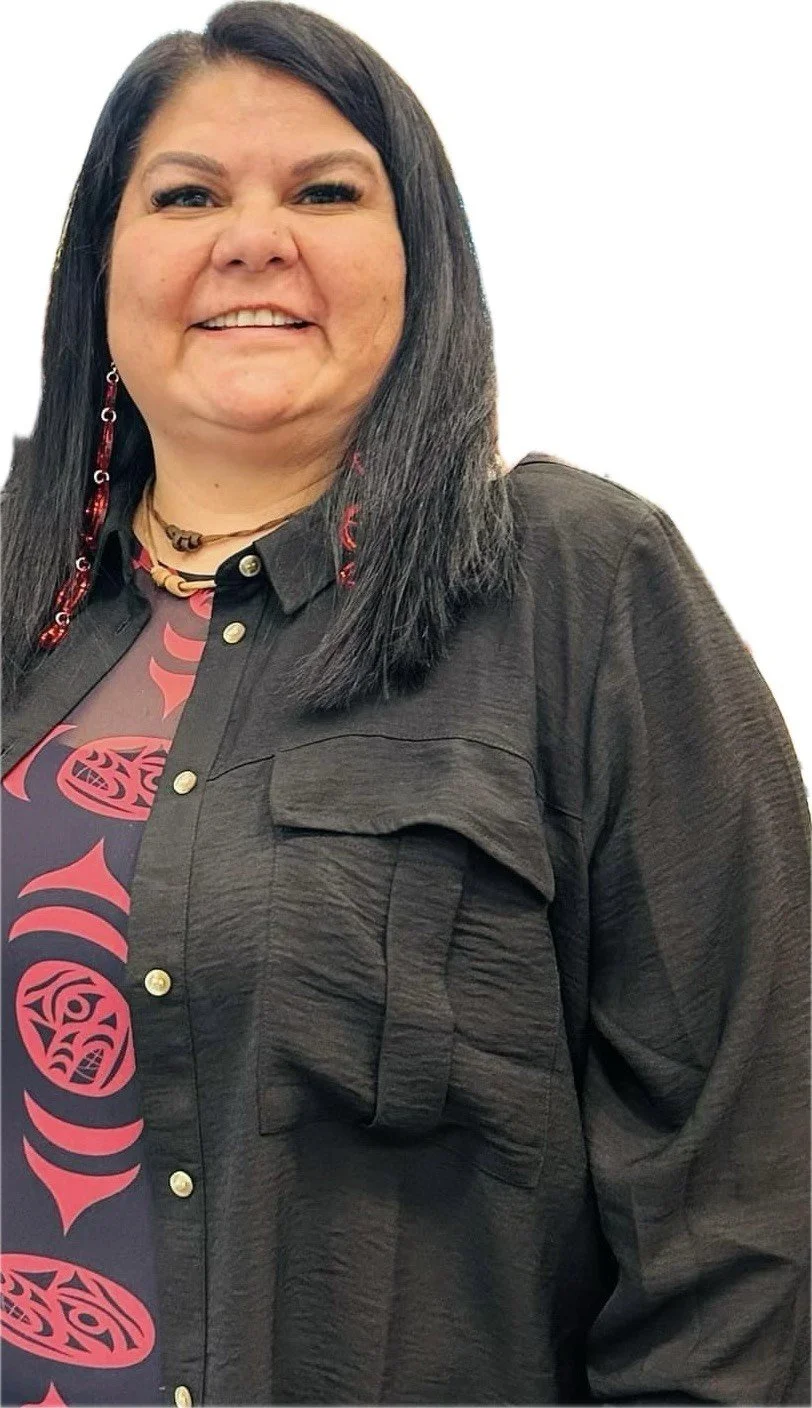
Gena Edwards, BSW, MSW, President of BCNWA
Kwiks Tina7 nskwátsitsa. Nsnek̓wnúk̓wa7 Ts’kw’aylxwc Stl’atl’imx. My English name is Gena Edwards Kwiks Tina7 nskwátsitsa. Nsnek̓wnúk̓wa7 Ts’kw’aylxwc Stl’atl’imx. My English name is Gena Edwards from Ts’kw’aylaxw in the Stl’atl’imx Nation and is a matriarch in the Eagle wilp with the Nisga’a Nation.
Gena is the President of the British Columbia Native Women’s Association, co-founder of Sqwem-Sqwem Consulting, a Policy Advisor to the St’at’imc Chiefs Council and served as an elected leader in her community of Ts’kw’aylaxw.
Gena is passionate about Indigenous issues involving health, child welfare, human rights, MMIWG2S+ and our climate crisis. Gena comes from a long line of political Chiefs maternally and paternally since pre-contact. Gena is a strong advocate for the betterment of all Indigenous people on Mother Earth as we are all interconnected. Gena holds a bachelor’s and master’s degree in social work and is always looking to close gaps on all issues affecting Indigenous people especially women, girls, and gender diverse people. Gena is passionate about sharing knowledge to help better assist initiatives for Indigenous people.
-
![]()
Odette Dempsey-Caputo Executive Director of the Community Legal Clinic Operating Society of BC
Odette Dempsey-Caputo is the Executive Director of the Community Legal Clinic Operating Society of BC and a lawyer with more than 18 years of experience working in access to justice and community-based legal services in British Columbia. Her practice has included family law, human rights, mental health law, poverty law, and matters involving intimate partner and family violence. Throughout her career, Odette has worked extensively with individuals experiencing intimate partner violence and has seen firsthand the complex legal, social, financial, and systemic barriers that can affect a person’s ability to seek safety and access justice. She has also supervised lawyers, advocates, and law students providing trauma-informed legal services to vulnerable and underserved communities. Odette is currently completing an LL.M. at the University of Ottawa, where her research focuses on access to justice in rural British Columbia. She brings a practical, trauma-informed and access-to-justice perspective to discussions about intimate partner violence and the legal system.
-
![]()
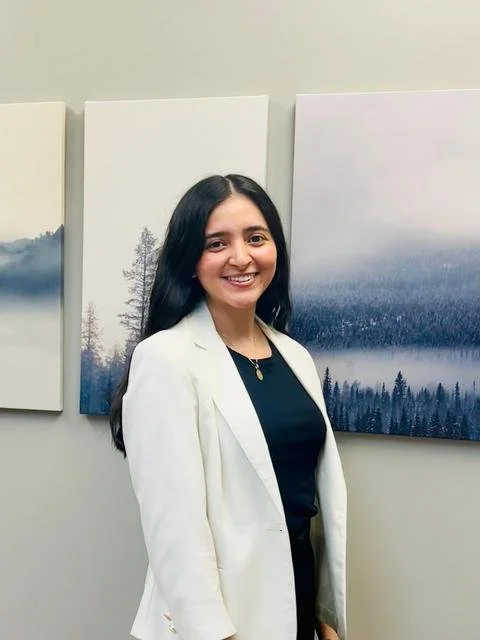
Paula Monoga (She/Her), Family Advocate OTLC
Paula supports individuals navigating family law matters in British Columbia. At her work, she provides guidance and support navigating the court system, assistance with family law forms and court processes, legal information, and public legal education. She is passionate about women’s empowerment, access to justice, and knowledge as a tool for greater independence and opportunity, empowering people with the legal knowledge they need to understand and advocate for their rights. She holds a law degree from Colombia, a Master’s degree in Business Administration from the University Canada West, and is completing a Master's degree in Canadian Common Law from York university.
-
![]()
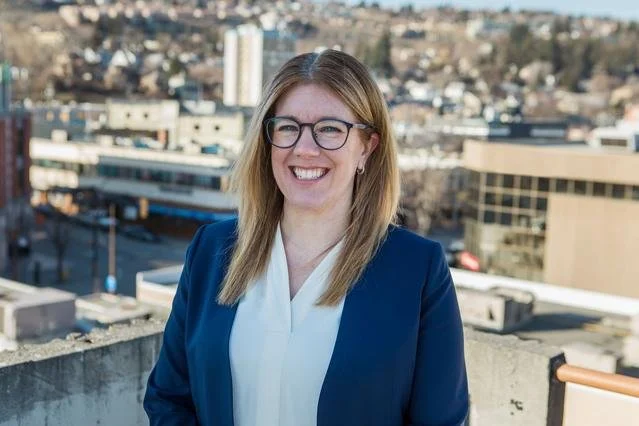
Councillor Katie Neustaeter
Accomplished executive, communications strategist, and elected municipal leader with extensive experience guiding organizations through growth, transformation, and complex public environments. Recognized for expertise in organizational leadership, stakeholder engagement, public relations, government relations, crisis communications, housing development, and community development.
Proven success leading large-scale organizational change, strengthening partnerships across sectors and levels of government, and building public trust through strategic communications and collaborative leadership.
Community enthusiast and relationship builder. -
![]()
Jillian LeBlanc (She/Her) Founder, Jillian LeBlanc Consulting
Jillian LeBlanc is an internationally recognized policy leader, socio-legal researcher, and decolonial legal scholar based in Paris, France. She is the Founder and Lead Consultant of Jillian LeBlanc Consulting, where she advises national governments, multilateral institutions, Indigenous governments, and civil society organizations on gender equality, human rights, inclusive governance, and intersectional policy evaluation. Raised on the unceded territories of the Nisga'a Nation, the Tsimshian Nation and the Wet'suwet'en people, she also spent over a decade working on the unsurrendered territory of the Anishinaabe Algonquin Nation. Jillian has worked with organizations including the OECD, Global Affairs Canada, Digital Public Square, the Parliamentary Centre, Huu-ay-aht First Nations Government and the Sanare Centre. Her work has supported initiatives in Canada, Ghana, Kenya, Togo, Spain, and Myanmar. Jillian holds an LLM in Gender Studies and Law from SOAS University of London and is fluently bilingual in English and French.
Dialogue Discussion: Bilingual access to justice and the experiences of Francophone minority communities in British Columbia
-
![]()
Evans Oppong (He/Him) Founder & Executive Director - IMNC, MSc, AIGP, IDP, Author, Peer Coach, Certified MHFA
Evans Oppong is a public health professional, author, community leader, and peer coach with expertise in men’s health, mental wellness, first aid, nutrition, and health equity. He holds an MSc in Public Health and is an AI Governance Professional (AIGP).
Evans is the founder and CEO of the Immigrant Men and Family Network of Canada (IMNC), where he creates supportive spaces for immigrant men and families. Through his research, writing, coaching, and community work, he advocates for healthier men, stronger families, and communities where people feel heard, supported, and empowered.
The Silent Struggle reflects his commitment to helping men confront the challenges they often carry in silence and encouraging meaningful conversations about health, healing, relationships, and legacy.
-
![]()
Anna Harrison Certified Professional Business Coach - Thrive Business Strategies
Certified Professional Business Coach - Thrive Business Strategies
Anna Harrison believes every woman has untapped potential waiting to be discovered. Through decades of business leadership, coaching, and mentoring, she has dedicated her career to helping women lead with confidence, navigate change with courage, and build lives and businesses that reflect their purpose. After owning and operating a successful business for 32 years, Anna now partners with business owners, leaders, and nonprofit organizations through Thrive Business Strategies, helping them create clarity, strengthen leadership, and turn vision into meaningful action. Her practical approach, combined with genuine encouragement, has made her a trusted coach and mentor to many organizations. Anna is a Certified Professional Business Coach (CPBC) and Certified Professional in Leadership Development (CPLD). She is an active member of the Professional Business Coaches Association (PBCA), a founding member of the Global Alliance for Professional Leadership Development (GAPLD), and a certified Everything DiSC and Extended DISC Partner. A passionate community leader, Anna has served in numerous volunteer leadership roles, including President of the Kamloops Chamber of Commerce and President of the Rotary Club of Kamloops West. Her contributions have been recognized with multiple business and leadership awards, including PBCA Coach of the Year. Anna considers it a privilege to encourage women to live with purpose, lead with courage, and become all they were created to be. She believes that we are stronger when we learn from one another, encourage one another, and walk alongside one another. Her message is simple: Don't do life or business alone.
-
![]()
MP Frank Caputo
Member of Parliament Kamloops-Thompson-Nicola
Canada Makes Femicide first-degree murder as all three major Criminal Code reforms become law.
Speaking to Bill C-225, Bailey’s Law: Aiming to strengthen Canada’s Criminal Code in response to Intimate Partner Violence.
Bill C-225 enacts stronger criminal measures to address intimate partner violence by:
Treating murders that occur within a pattern of coercive or controlling behaviour toward an intimate partner as murders in the first degree
Requiring courts to consider life imprisonment, with parole ineligibility of 10 to 25 years, when manslaughter is committed against an intimate partner in the context of such a pattern
Creating a new offence for violent, threatened, or attempted violence against an intimate partner
Extending the maximum period for detaining seized items
The Protecting Victims Act fulfills recommendations in the Mass Casualty Commission’s final report, the Renfrew County inquest, the Federal Ombudsperson for Victims of Crime’s report entitled Rethinking Justice for Survivors of Sexual Violence: A Systemic Investigation, and various parliamentary reports.
-
![]()
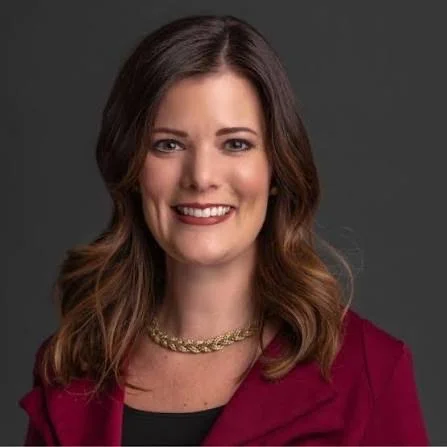
Megan Dykeman, Managing Director, Strategics Canada
Megan Dykeman is the Managing Director of Strategics Canada and Interim Executive Director of the Richmond Community Foundation. She advises organisations on governance, strategy, policy and organisational change, helping leaders navigate complex decisions and put plans into action. Megan brings more than 15 years of elected and public leadership experience. She served as the Member of the Legislative Assembly for Langley East and as British Columbia’s Parliamentary Secretary for Community Development and Non-Profits. Before entering provincial politics, she served three terms on the Langley Board of Education, including as Board Chair. An accredited arbitrator and mediator, Megan has worked across government, community organisations and boardrooms. She holds a master’s degree in International Relations and has completed negotiation training through Harvard’s Program on Negotiation. She brings a collaborative, practical approach to leadership, conflict resolution and organisational effectiveness.
-
![]()
Kenneth Obiakor (He/Him), BA, MA, Dip. Post-Bacc. | Founder Leadership Development Foundation for Civic Literacy in Nigeria
Creative Responsibility: A systemic approach to empowerment, ethics, and community change
Kenneth Uchenna Obiakor is a knowledge translator and social impact practitioner whose work connects lived experience, research, and community action. At the Interior Women’s Centre Society, he helped bring program data and women’s experiences together in stories that supported organizational learning. His work asks what measures of success can show, what they may leave unexplained, and how the people receiving support understand the conditions shaping their lives.
Kenneth founded the Leadership Development Foundation for Civic Literacy in Nigeria, where he has designed learning and dialogue initiatives that encourage participation in public life. His experience across community organizations, government, and higher education informs his interest in equity, governance, and social responsibility. He has also contributed to sustainability initiatives at Thompson Rivers University.
Kenneth holds a BA in Sociology and Anthropology, a Master in International Human Right Law, a diploma in Social Responsibility and Sustainability, and a post-baccalaureate diploma in Tourism Destination Development. Across his work, he is interested in how people affected by institutions can help shape the decisions those institutions make.



Breakout Speakers
-
![]()
Alex Valoroso (She/Her)
Principal Consultant - Valoroso Consulting
Predictable Harm: What Gender-Based Violence in Disasters Tells Us About the Systems We Design
-
![]()
Dasha Guliak (She/They)
PhD, University of Saskatchewan
Term Lecturer
Cats and Cruelty: Reading Gendered Domestic Violence Through Newspaper Discourse in Western Canada -
![]()
Angela Marie MacDougall
BWSS Battered Women’s Support Services
The Knowledge That Never Leaves the Frontline What the FIFA World Cup 2026 Taught Us About Systems Learning, Specialized Intimate Partner Violence Practice and the Missing Link Between Frontline Implementation and Public Policy
-
![]()
Amanda McKeen (She/Her)
Registered Holistic Nutritionist and Owner, Inspired Eats with Amanda
Nourishment as Infrastructure: Redesigning Women’s Health Support Through Practical Food, Stress, and Community-Based Care. -
![]()
Lana Bentley
Executive Director, Women's Centre of Calgary
Housing, Safety, and Choice: Housing as a Critical Factor in Gender-Based Violence Prevention and Response. Findings from Calgary’s Unaddressed Project -
![]()
Tamara C Larson (She/Her/Elle)
CEO and Founder Tamara C Larson Grow Leaders and Learn Peace Canada
Leadership Structures — Organizational culture transformation for equity; sustainable leadership models for women and gender-diverse leaders -
![]()
Kylye Ann Ralston
Founder of Cyclical Cultures
Universal Experience. Systemic Silence
-
![]()
Stacy Kairu (She/Her)
Principal consultant, Athari Consulting and co-founder BIPOC Women's Society
Rewriting the Rules Online: The Manosphere, Digital Radicalization, and Gender-Based Violence
-
![]()
Pyper Kristiansen (They/Them)
Undergraduate Student at Thompson Rivers University
Strengthening Connection: Relational and Strengths-Based Approaches in MMIWG Research
-
![]()
Kimberly Blair
Executive Director, Kingston Interval House
From Crisis to Capacity: Leading Sustainable Change in Women's Shelter Services During a Time of Increasing Complexity -
![]()
Jennifer Khor
Supervising Lawyer at Community Legal Assistance Society (CLAS)
From Research to Reform: Gender-Based Violence in the Workplace and the (Mis)Use of Non-Disclosure Agreements (NDAs)
-
![]()
Elizabeth Korompai (She/Her)
Public legal education coordinator at Community Legal Assistance Society (CLAS)
From Research to Reform: Gender-Based Violence in the Workplace and the (Mis)Use of Non-Disclosure Agreements (NDAs)
-
![]()
Chloe Chiorando, BA, MCP (She/Her/Elle)
Counsellor, Currents Clinical Counselling
Music as a Shared Emotional Experience: Intergenerational Bonding in Women and Girls Through Music
-
![]()
Radhika Tabrez (She/Her)
Executive Facilitator and Learning Strategist
The 70 Cents Question: Who Decides What Women Earn in Interior BC?
-
![]()
Dr. Tanya Manning-Lewis (She/Her)
Assistant Teaching Professor in the School of Education, Graduate Programs at Thompson Rivers University, Canada.
Investing in Her Future through Entrepreneurship, Financial Agency, and Economic Equity -
![]()
Dr. Amie McLean (She/Her/Hers)
Faculty Representative, Office of Equity, Diversity, Inclusion, & Anti-Racism; Assistant Graduate Supervisor, Faculty of Education; Sociology Instructor, Thompson Rivers University
Navigating the Long Haul: Gender, Race, and Power in a Male-Dominated Industry
Moderated by Highland Valley Copper | Industry Sponsor








Peep the Schedule!
Join the conversation over 3-Days, take some time for wellness, and mix and mingle in the evenings. We have a little bit of something for everyone!

Gather & Connect
Join us during the week to hear from local speakers, learn from each other and at the end come together to celebrate progress and the incredible work so many women' and catalysts are achieving across Canada.
-
We are thrilled to welcome Patti Phillips, Founder of Ladies on the Shore Business Networking, as the MC for our Executive Networking Mingle.
Patti is passionate about bringing women together, building meaningful professional connections, and creating spaces where women can support one another’s growth and success. With her experience fostering connection and collaboration within the business community, she is the perfect person to help us kick off an evening of conversation, relationship-building, and opportunity.
Join Patti and fellow leaders, entrepreneurs, professionals, advocates, and community change makers for an evening dedicated to connection, collaboration, and women’s economic advancement.
Location: TRU Conference Centre Rotunda
Time: 6pm - 8pm -
Take a breath, stretch it out, and find your OM. 🧘♀️
Throughout the conference, The Movement Collective from Kamloops, BC, sponsored by Lululemon, will lead two wellness sessions each day in the Rotunda. These accessible sessions are designed to give you a chance to move, stretch, reset and recharge between content-heavy sessions.
Because meaningful conversations and systems change require energy, and sometimes, we all need a moment to pause, breathe and reconnect with ourselves.
Come as you are. Move at your own pace. Leave feeling a little more grounded.
Yoga Mats are available, but folks are also welcome to bring their own.Sunrise Yoga: 0800 upper rotunda
Afternoon Stretch: 1200 lower rotunda -
Join us for an evening of celebration, connection and inspiration as we honour three remarkable women whose voices, leadership and vision are contributing to a stronger future for women and communities.
The evening will be hosted by Bailey Fujita-Stewart, Executive Director of the Interior Women’s Centre Society, and will open with an unforgettable performance by the Kamloops Raiden Taiko Drummers, bringing the power and artistry of Japanese taiko drumming to life.
We will hear from one of Raiden’s members about the evolution of taiko, a tradition historically dominated by men, and the growing leadership and participation of women within the art form. Their story offers a powerful reflection of what happens when women challenge traditional spaces, claim their place and create new pathways for leadership.
We will then celebrate our three Voice & Vision Award recipients, hearing directly from each honouree about their work, leadership and vision for change.
Then we will close the evening with conversation, music and a final reflection from Kathleen Larose, Executive Director of the Canadian Association of Women’s Centres, bringing us back to the collective work of advancing women’s equality.
An evening to honour the voices shaping our communities, and the vision creating what comes next.
Time: Doors open at 6pm
Location: TRU Grande Hall
Meet the Leaders Behind our Gathering Events
-
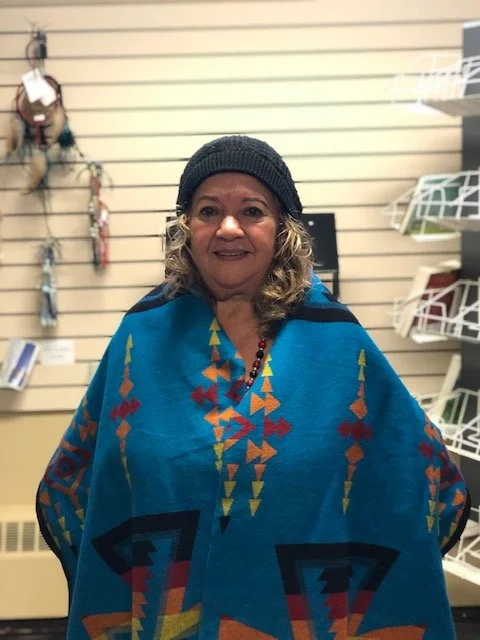
Tk'emlúps te Secwépemc
Opening Ceremony led by Elder Diena Jules, Leigh LaRue and Laura Saul.
Hear from TTES Council Leaders, Frida Jules and Hank Gott with opening remarks. -
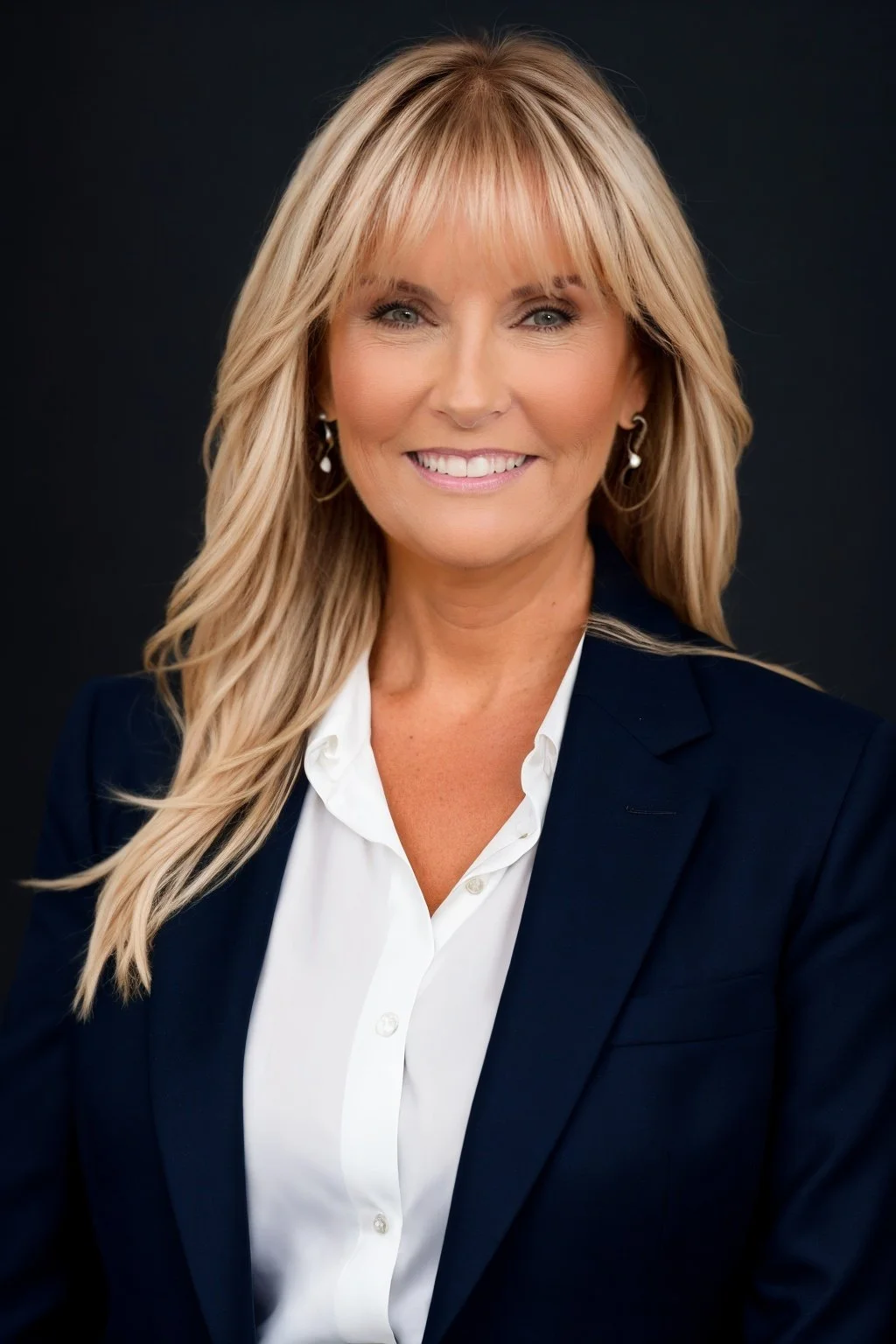
Patti Phillips, Ladies on the Shore
Leading our Executive Networking Event
-
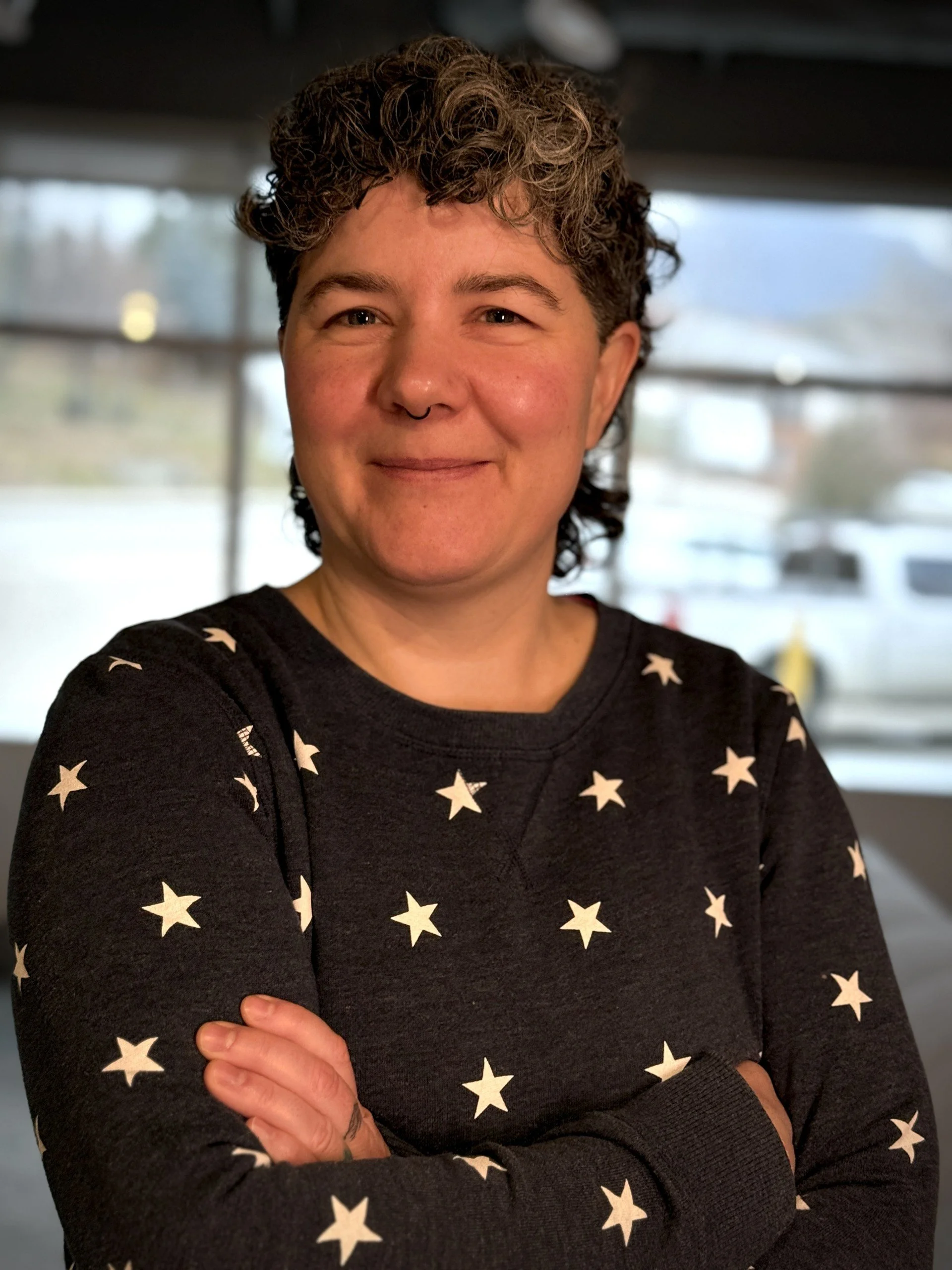
Jenn Johnson, United Way BC
Speaking to United Way BC’s Period Promise, and the work United Way has been doing to advance women & gender equity.
-
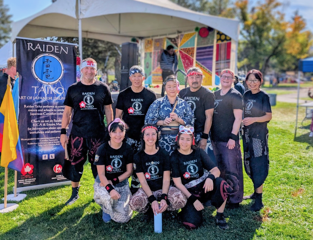
Raiden Taiko
Leading traditional Japanese drumming during the Voice & Vision Awards Dinner, and hear from Heather, one of the lead drummers who will be sharing an inspirational story about women in taiko drumming - a traditional male practice.
-
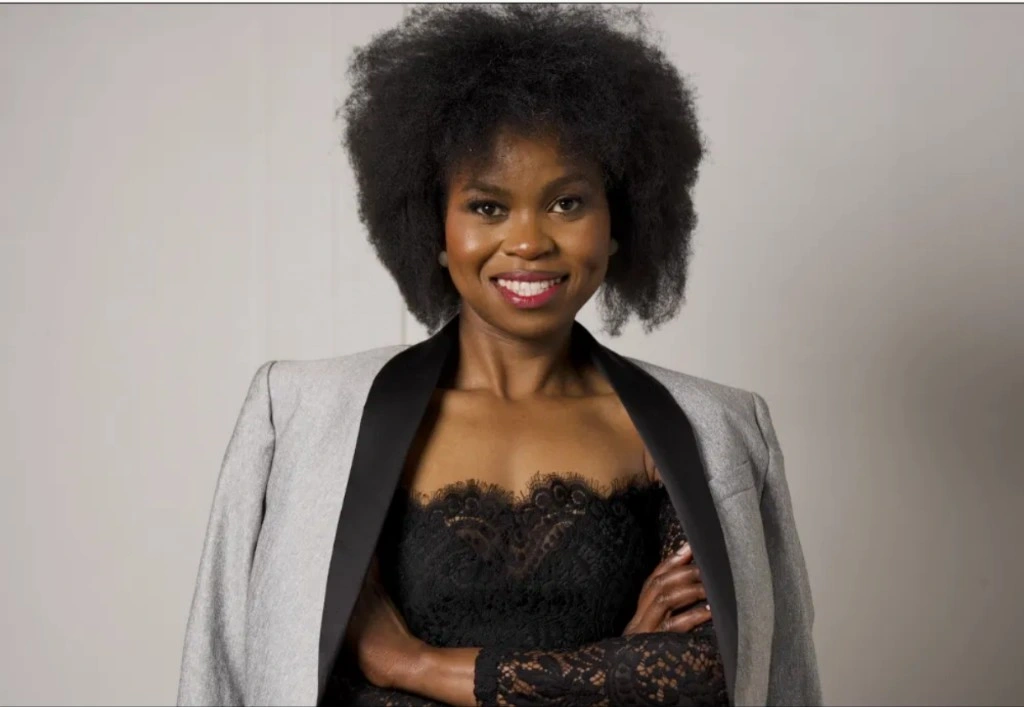
Sally Martin, Valid Dreams Foundation | Black Light Unveiled Podcast
Hear from Sally at this year’s Voice & Vision Awards Dinner, speaking to her life experience, from working at UN Women to being a leader in the Kamloops community, shaping dialogue through DEI consulting.
Moulding the conference dialogues together, and speaking to when women gather, lead and push for change. What can advancing women and girls locally, provincially, nationally and globally truly look like? -
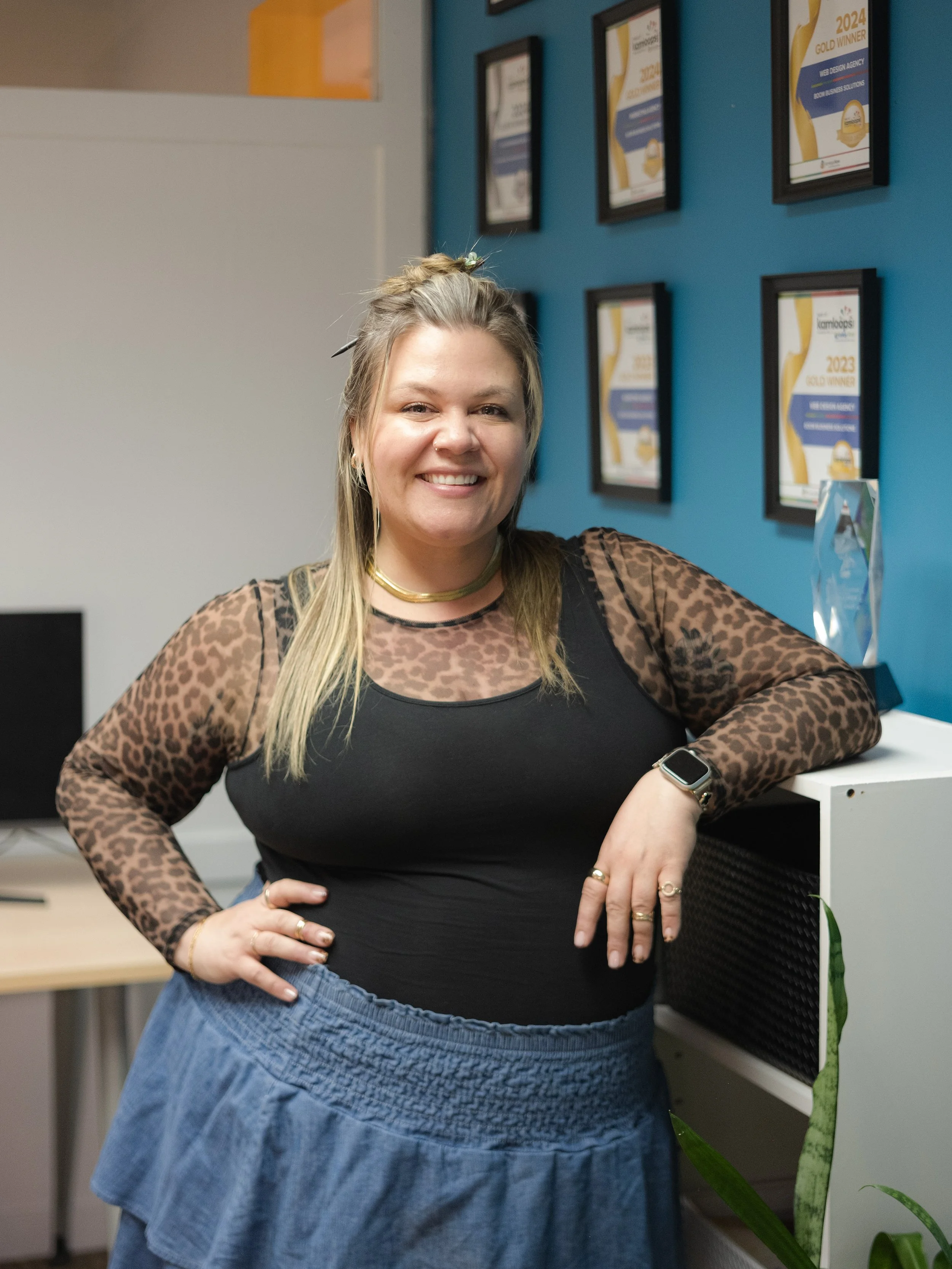
Roxanne Kennedy, CEO & Founder of Boom Business Solutions
Feature Session: Your Brain is FAB: Using AI to Stop Wasting It on Busywork. Sponsored and hosted by BOOM Business Solutions
Roxanne Kennedy is the award-winning Founder, CEO and Creative Director of Boom Business Solutions, a female founded PR, communications, and digital marketing agency in Kamloops. She uses AI every day to take the busywork off her team's plate, and she loves helping other women do the same, in plain language and without the overwhelm.
Live Painting
Marianna Abutalipova is an acrylic artist based in British Columbia whose work is distinguished by vibrant colors, expressive movement, and a celebration of beauty in everyday life. Inspired by everything and everyone around her, she creates bold, uplifting paintings that reflect her optimistic outlook and deep appreciation for human connection.
Women, dancers, and flowers are the subjects that most frequently inspire her work, in that order. Through rich color palettes and energetic brushwork, Marianna captures strength, grace, emotion, and joy, inviting viewers to connect with the stories and feelings behind each piece.
Born in Uzbekistan, Marianna moved to Belgium in 1998 before making Canada her home in 2008. Her multicultural journey has shaped the way she sees the world and influences her artistic perspective, fostering a curiosity about people, culture, and the beauty found in diverse experiences.
In addition to her artistic practice, Marianna is a mother of four and works with international students at TRU World, supporting learners from around the globe as they pursue their educational goals in Canada. Balancing family life, a professional career, and creative pursuits is not always easy, but art remains an essential part of who she is.
For Marianna, painting is more than a hobby; it is a way of life. It provides a space for reflection, creativity, and renewal, helping her find balance amid the demands of everyday life. Committed to maintaining a regular artistic practice throughout the year, she continues to explore color, movement, and emotion through paintings that bring energy, warmth, and inspiration to those who experience them.

Learn About
Kamloops, BC
The WCWC2026 Destination of Choice - We can not wait to host you!
Thank you to Tourism Kamloops for sharing this video.
WCWC 2026 Planning Committee
-

Kathleen Larose
Committee Chair
Canadian Association of Women Centre Societies
-
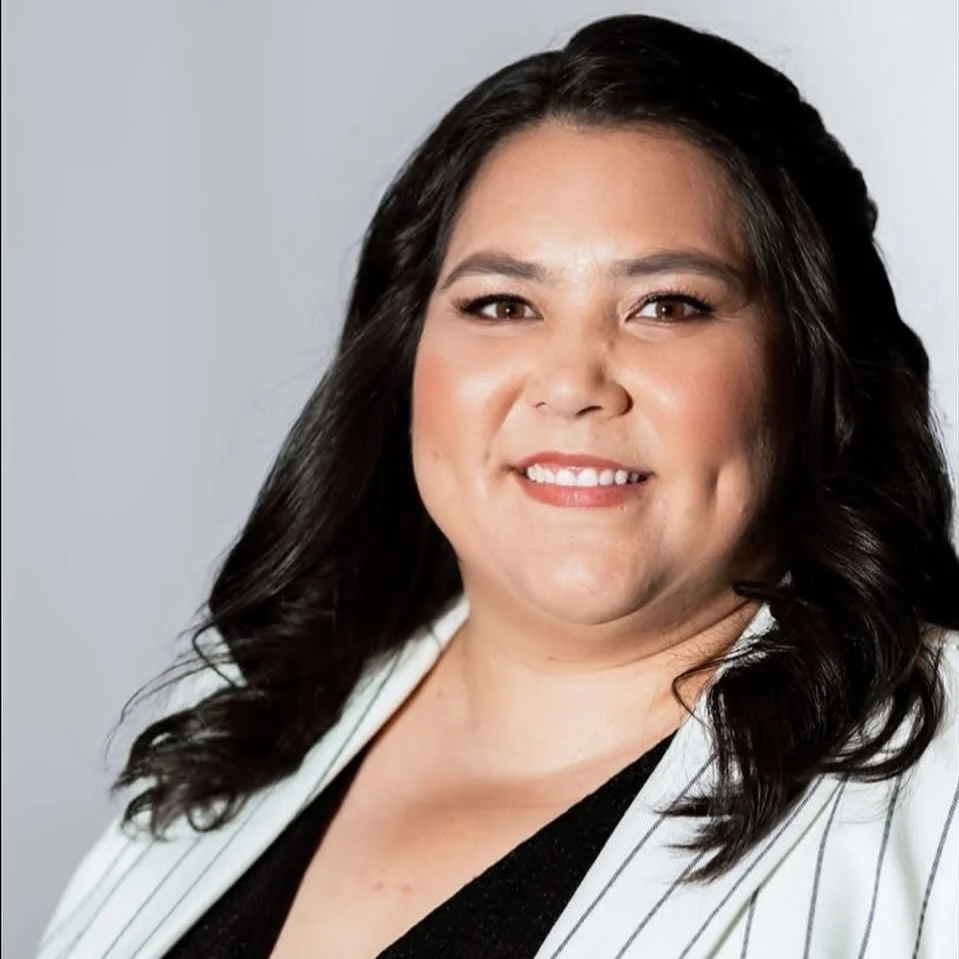
Bailey Fujita-Stewart
Committee Vice-Chair
Interior Women’s Centre Society
-
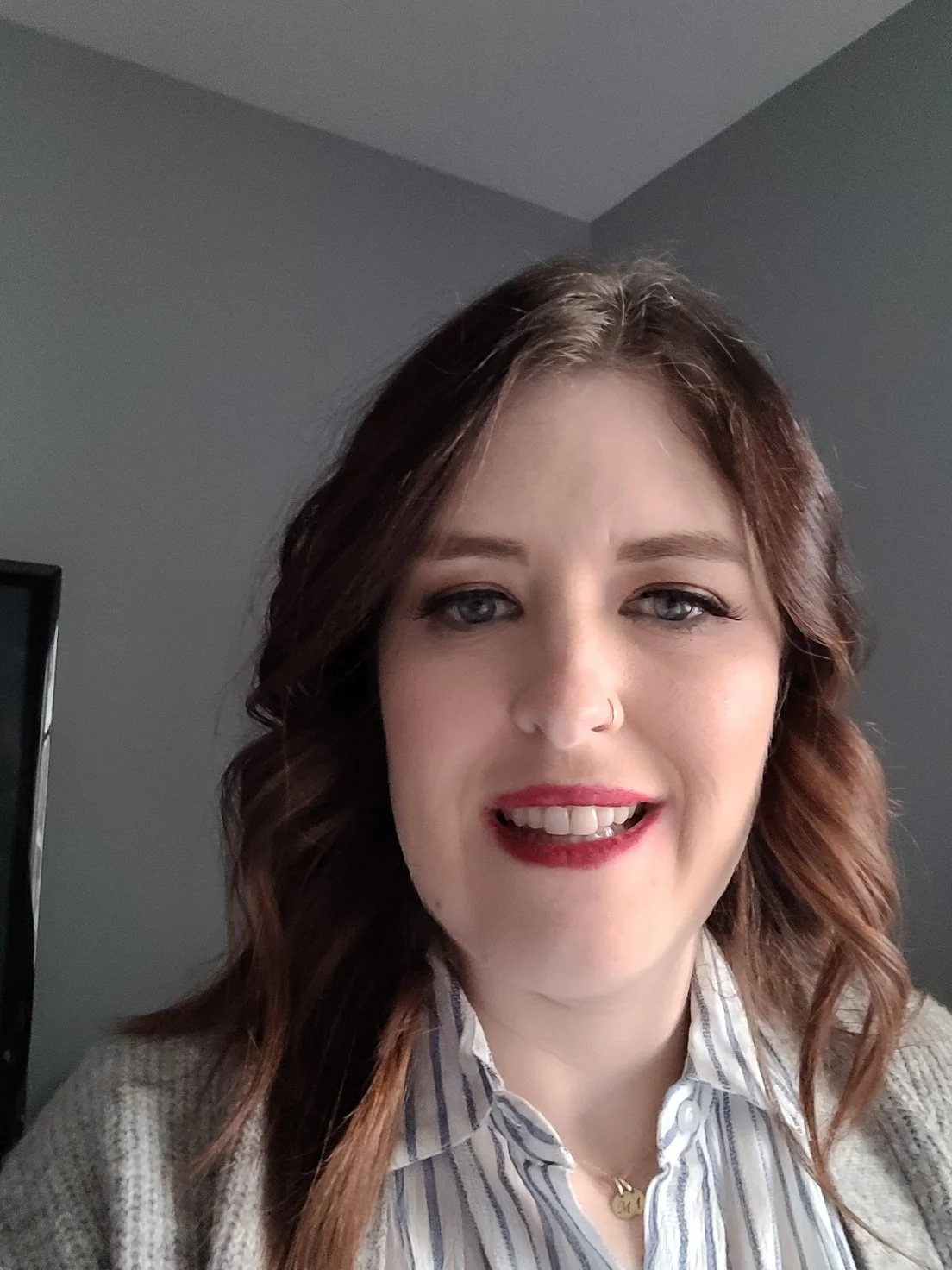
Carly Watson
Committee Member
Interior Women’s Centre Society
-
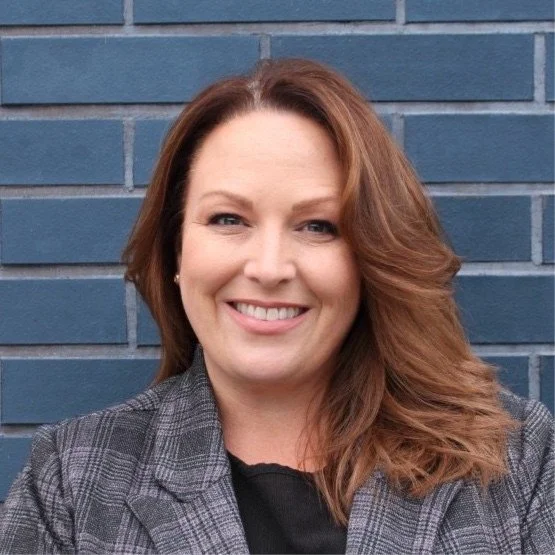
Kelli Paddon
Committee Member
Equiiti Strategic Ltd. & Board Voice Society
-
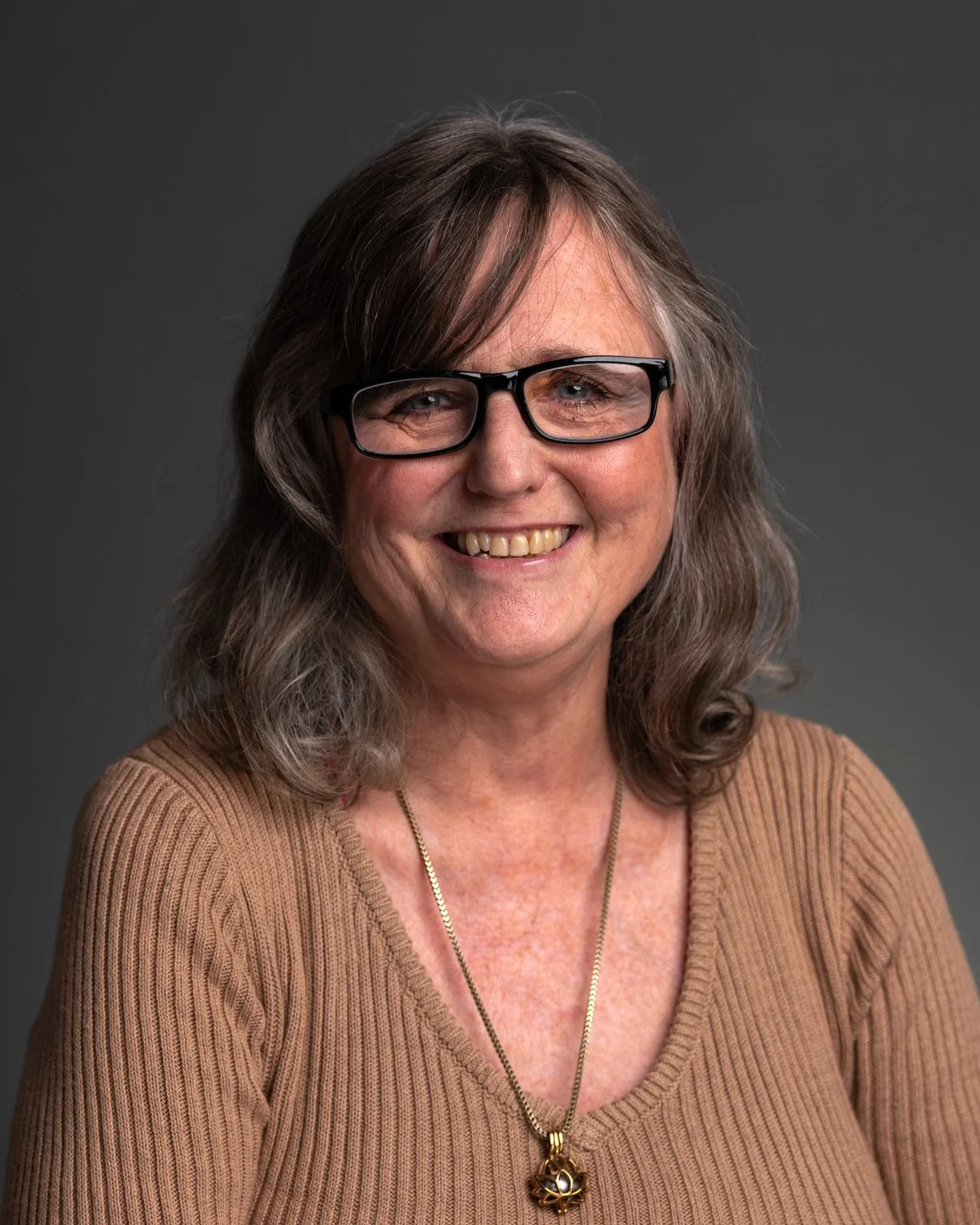
Dale Bass
Committee Member
Kamloops City Council
-

Maureen Colledge
Committee Member
Hopewell Clinic
-
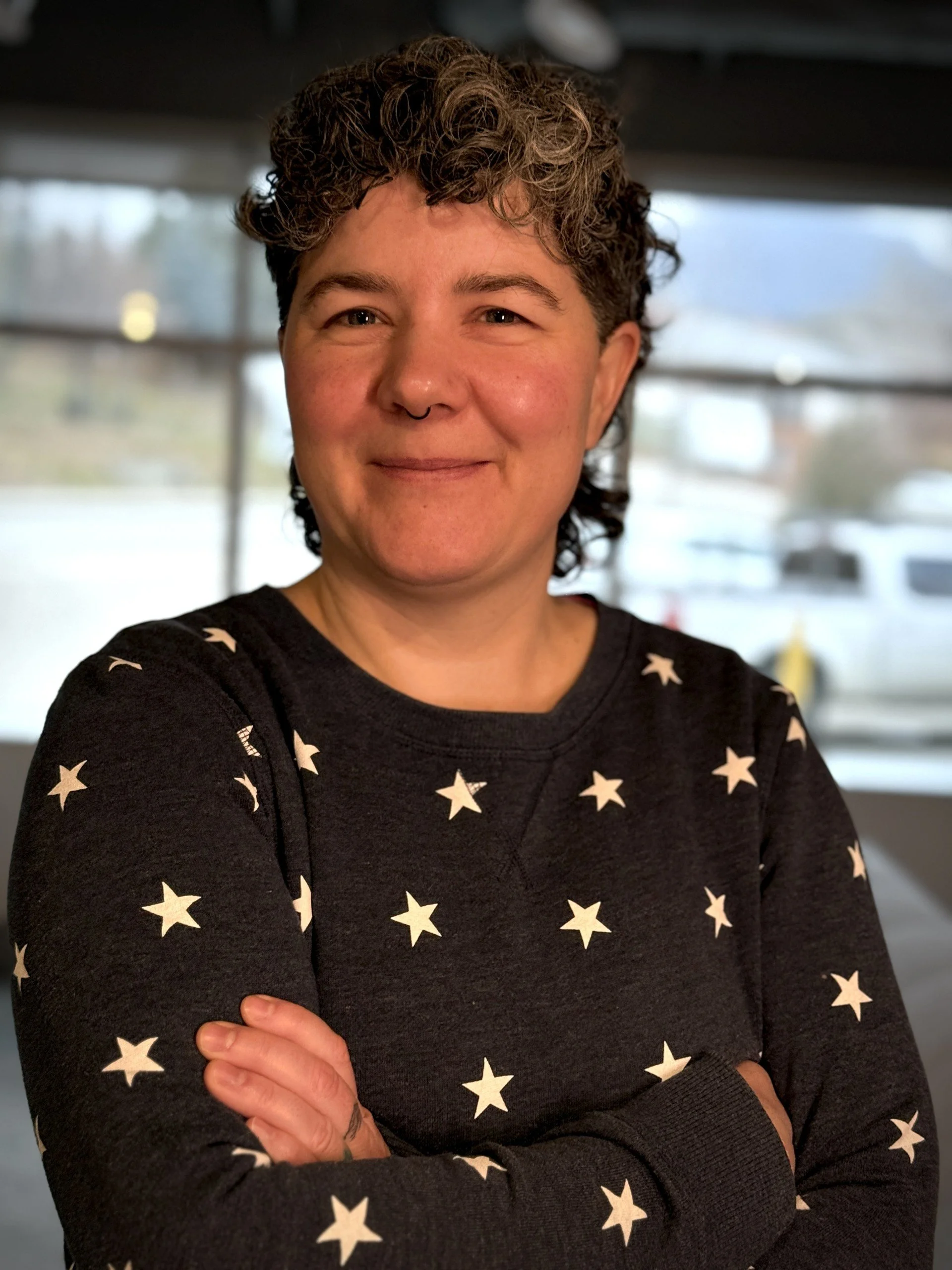
Jenn Johnson
Committee Member
United Way British Columbia
-
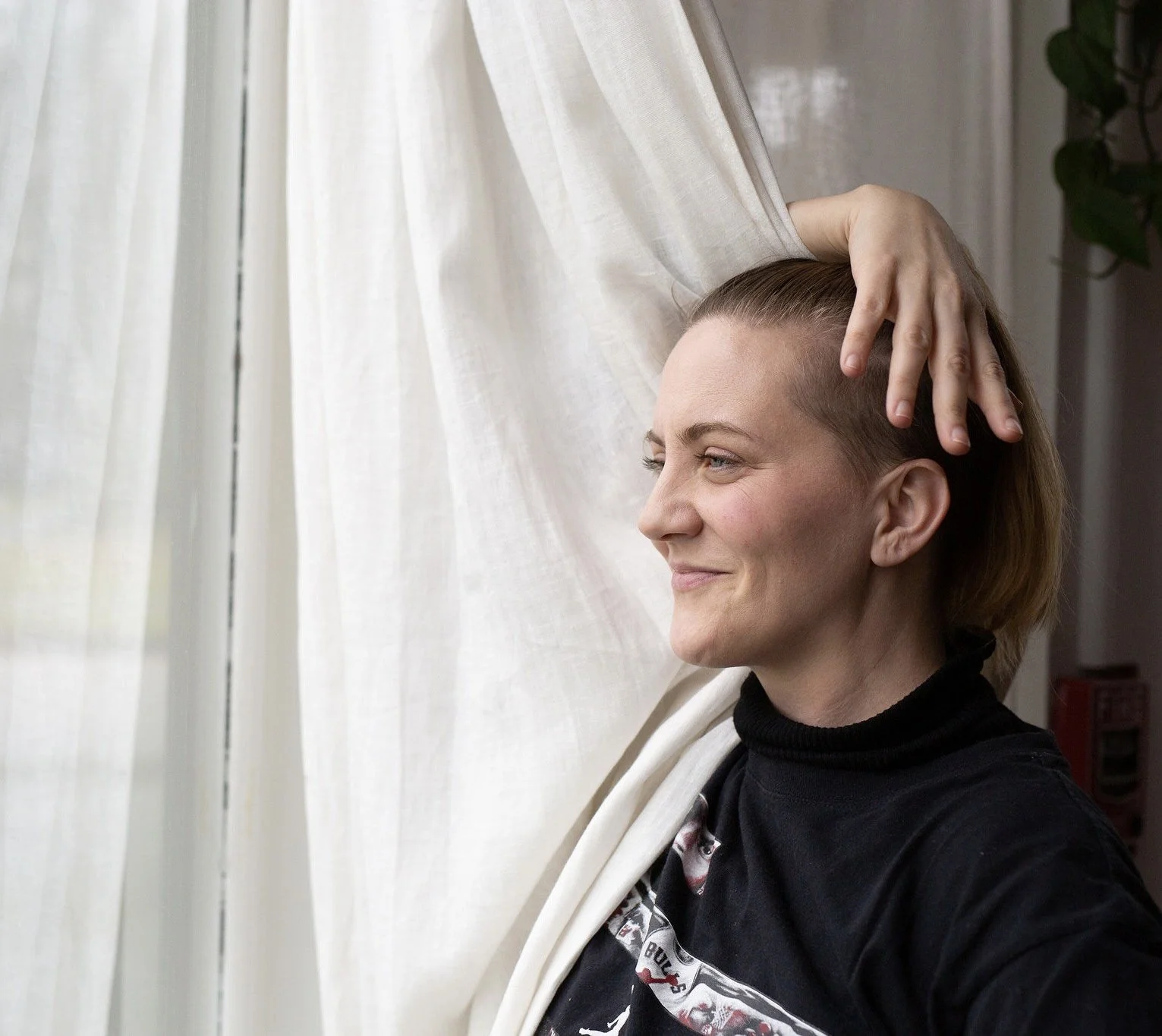
Vanessa Woulfe
Committee Member
Stellar Feels Embodiment
-
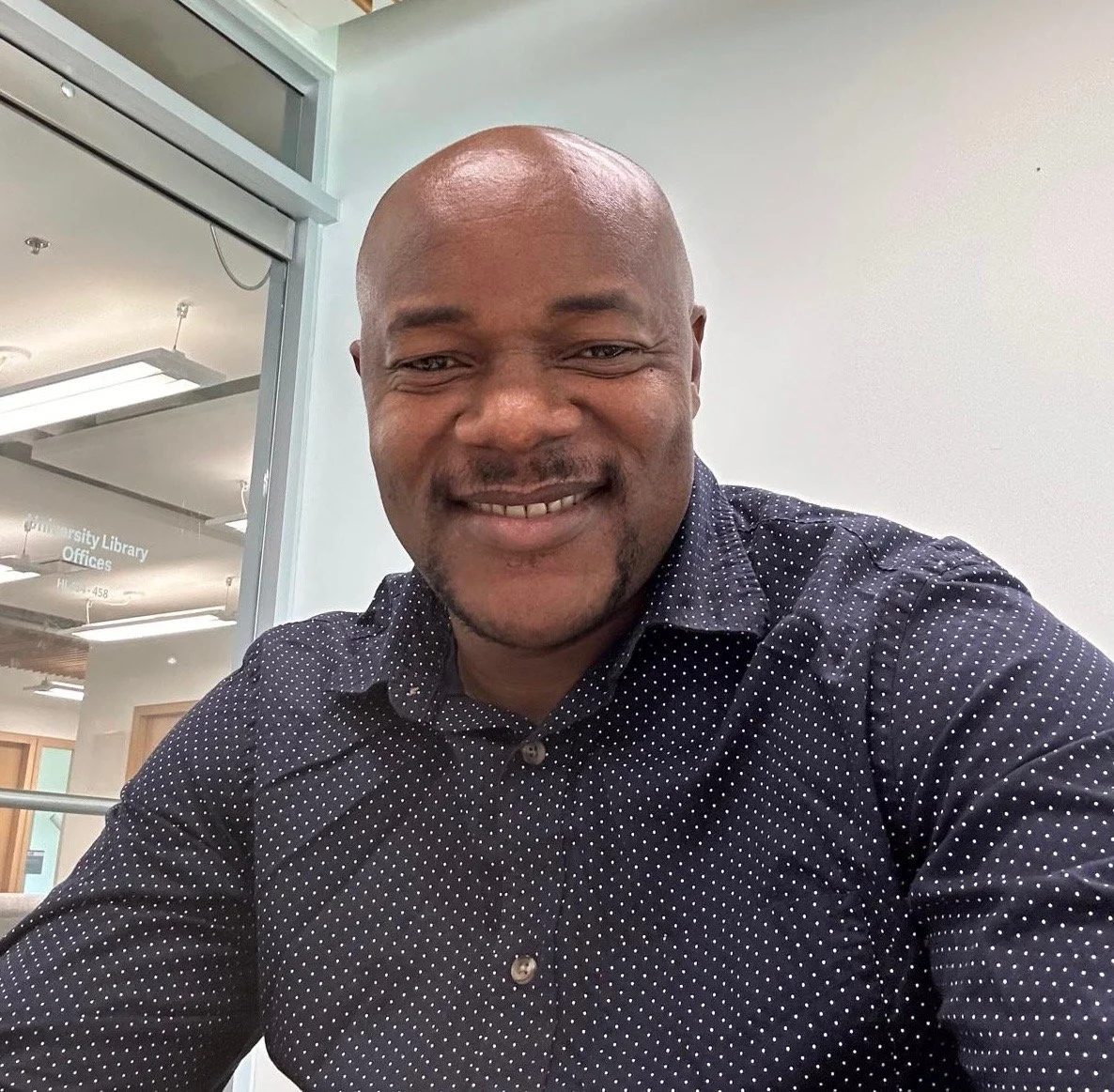
Kenneth Obiakor
Sustainability Advisor
Placewise Society
WCWC 2026 Sponsors & Exhibitors